
Summary
- Common Kitchen Design Mistakes Often Stem From Poor Function & Flow:
Ensure at least 1200mm of circulation space, follow the kitchen triangle rule for efficient workflow, and group storage logically around prep and cooking areas. - Maximise Practical Storage:
Use deep drawers (even under sinks), extend cabinetry to the ceiling with bulkheads, and avoid clutter-prone features like open shelving near cooktops. - Balance Style with Smart Choices:
Choose durable benchtop materials that match your cooking habits, use layered lighting for both task and ambiance, and avoid stylish trends that sacrifice practicality.
Planning a kitchen can be exciting, but it’s easy to make mistakes that impact its functionality and aesthetics. Whether you’re renovating or starting from scratch, avoiding these six common kitchen design mistakes will save you time, money, and a lot of frustration.
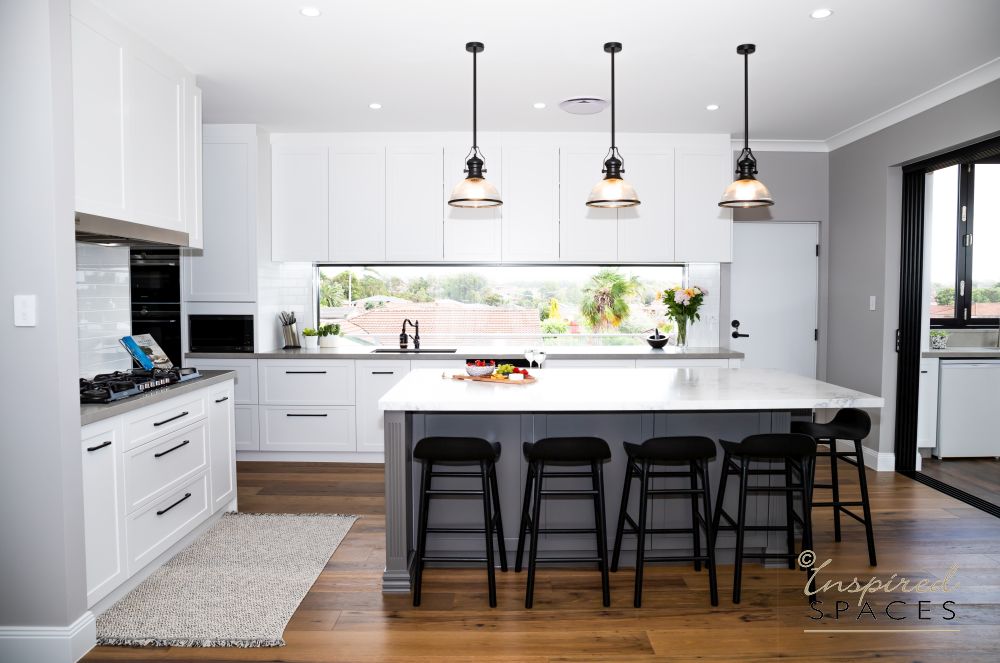
1. Insufficient Circulation Space
Failing to leave enough room to move around the kitchen—especially around islands—can make the space feel cramped and inefficient.
Quick Tip: Ideally, allow 1200mm of clearance between key elements like the island and surrounding cabinetry. Make sure there is enough room for someone to pass the open dishwasher door or fridge door.
2. Ignoring Workflow
A poorly planned workflow can lead to inefficiency when cooking or cleaning. For example, placing the sink far from the stove or not grouping storage near prep areas can cause unnecessary back-and-forth movements. Think the Kitchen triangle rule or Blums zone technique
The “Kitchen Triangle” Rule: Try to keep each leg of the triangle between 1.2 – 2.7 metres for optimal efficiency.
3. Overlooking Storage Needs
Failing to plan for adequate storage is a common mistake. Open shelving might look great, but it may not provide enough space for essentials.
Similarly, failing to extend cabinetry to the ceiling wastes valuable storage potential. Always include a bulkhead above overhead cupboards to prevent dust buildup and stop the storage of clutter.
Drawers are a must-have for efficient storage even under the sink. Often, it’s best to leave the corner unit empty to maximise drawer storage and space.
Here’s a quick storage comparison:
| Storage Area | Best For | Tip |
| Deep drawers | Pots, pans, bulky items | Add soft-close runners |
| Open shelving | Display pieces, everyday items | Avoid near stove (grease buildup) |
| Pantry cupboards D | Dry goods, bulk items | Add internal organizers |
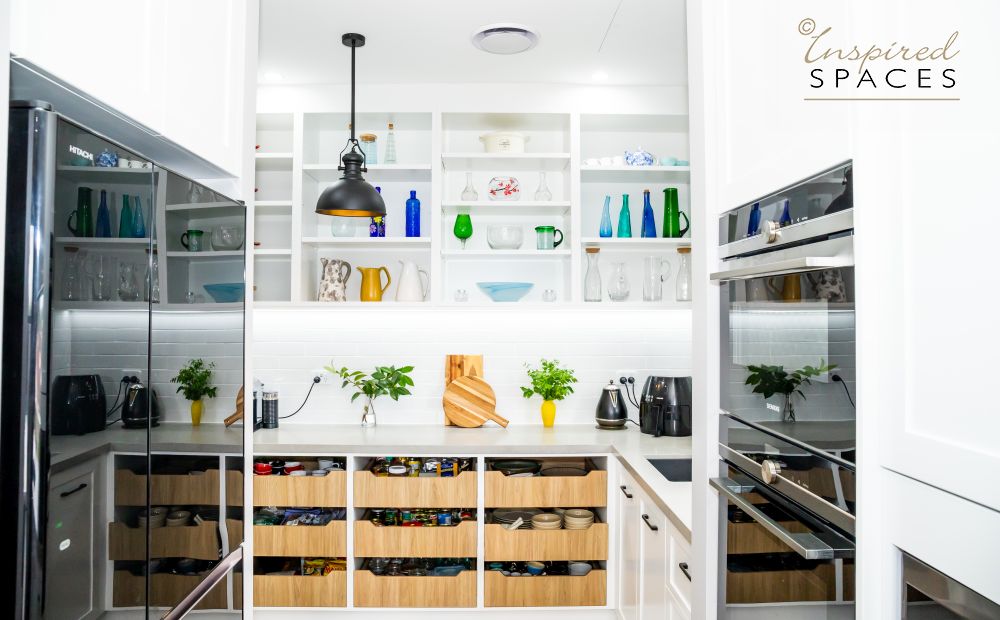
4. Choosing Style Over Functionality
Prioritising aesthetics over practicality can lead to issues like awkward appliance placement or insufficient countertop space. Always consider how you’ll use the kitchen daily before finalising the design.
If you are naturally untidy, glass overhead cupboards with back lighting is not a good option.
Examples:
- Open shelving looks great, but gathers dust.
- High-gloss surfaces show every fingerprint.
- If you’re naturally untidy, glass overhead cupboards with back-lighting is not a good choice.
5. Poor Lighting Choices
Lighting is often underestimated, but it’s crucial for both ambience and functionality. Harsh or poorly placed lighting can create shadows on work surfaces, making tasks difficult.
LED lighting under overhead cupboards is a necessity, as is task lighting over island benches.
Use a layered lighting plan to illuminate all the right places.
| Lighting Type | Purpose | Where to Use |
| Ambient | General lighting | Ceiling lights or downlights |
| Task | Focused lighting | Under cabinets, over island |
| Accent | Decorative lighting | Above cabinets or in glass displays |

6. Wrong Benchtop Material
Selecting benchtops based solely on looks can lead to maintenance headaches, such as stains and scratches. We ask clients about their cooking style to help guide their benchtop choice.
| Material | Pros | Cons |
| Engineered stone | Durable, low-maintenance | Can be costly |
| Laminate | Budget-friendly, versatile | Less heat & scratch-resistant |
| Marble / Natural Stone | Elegant and timeless | Prone to stains and scratches |
Final Thoughts
Avoiding these common kitchen design mistakes can save you stress and money. The key? Plan thoughtfully, prioritise function, and make choices that work for your lifestyle. Your future self will thank you every time you walk into your kitchen.
FREE DOWNLOAD!
Get our Kitchen Design Guidelines to help you with your planning and renovation.
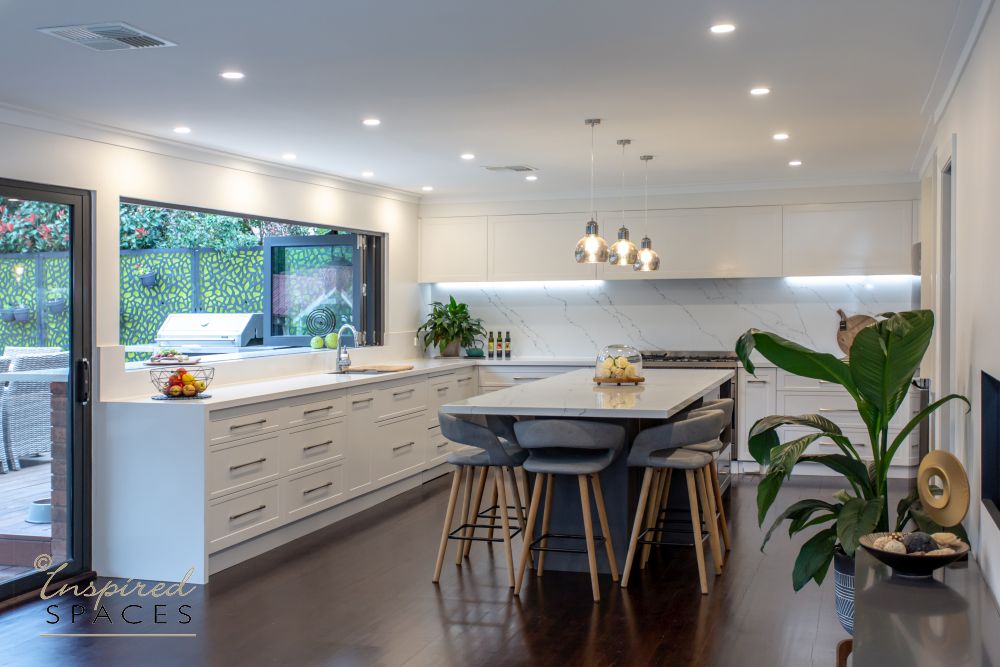
Common Kitchen Design Mistakes FAQS for 2025:
1. How much space should I leave between a kitchen island and cabinets?
For smooth circulation and functionality, allow at least 1200mm (1.2 meters) between your island and surrounding cabinetry. This ensures enough room for opening appliance doors and for people to pass by comfortably.
2. What is the kitchen triangle rule, and why is it important?
The kitchen triangle rule refers to the optimal placement of the sink, stove, and refrigerator to form a triangle. Each leg should be between 1.2 to 2.7 meters. This layout minimises unnecessary steps and enhances cooking efficiency.
3. Should I prioritise kitchen aesthetics or functionality?
Always prioritise functionality first, then tailor your style choices to complement how you use the space. For example:
- Avoid high-gloss finishes if you dislike cleaning fingerprints.
- Skip glass-front cabinets with lighting if you’re not naturally tidy.

Book a 15-Minute FREE Discovery Call
Need help or advice regarding any residential or commercial design or decorating projects? Get your FREE 15-minute discussion with Robyn!



Leave A Comment Or Ask A Question